
Stay Ahead of the Curve Critical Military Contractor Industry Updates You Need Now
Warning: strip_tags() expects parameter 1 to be string, array given in /www/htdocs/w00877ff/wp-includes/formatting.php on line 631
Stay ahead of the curve with the latest shifts in the military contractor landscape. This dynamic sector is being reshaped by next-generation technology and evolving global defense priorities, creating urgent opportunities for informed stakeholders.
Geopolitical Tensions and Demand Shifts
Geopolitical tensions are fundamentally reshaping global demand patterns, creating both volatility and opportunity. As nations decouple or de-risk critical supply chains, strategic sectors like semiconductors, energy, and rare earth minerals experience dramatic demand shifts. This realignment forces economies to prioritize resilience over pure efficiency, fostering new trade corridors and domestic industrial policies. Companies must now navigate this fragmented landscape, where geopolitical risk assessment is as crucial as market analysis. Proactive adaptation to these structural changes, not merely reactive response, will separate the future market leaders from the left behind.

Focus on Eastern Europe and the Indo-Pacific
Geopolitical tensions are fundamentally reshaping global demand patterns, creating both risk and opportunity for strategic supply chain management. Conflicts and trade realignments force companies to diversify suppliers and nearshore production, shifting demand toward regional blocs and resilient partners. This environment demands proactive market analysis to identify emerging consumer bases insulated from instability. Mastering this geopolitical risk assessment is now essential for securing market share, as demand pivots away from volatile corridors toward more secure economic alliances.
Budget Reallocations and Urgent Capability Needs
Geopolitical tensions are fundamentally reshaping global demand patterns, creating both volatility and strategic opportunity. Supply chain diversification strategies are accelerating as nations and corporations seek to mitigate risk, reducing dependencies on single regions. This realignment drives investment toward friendly nations and resilient sectors, while sanctions and trade barriers abruptly redirect commodity flows and consumer markets. Understanding these shifts is crucial for navigating the new economic landscape and securing competitive advantage in an increasingly fragmented world.
Impact of the War in Ukraine on Doctrine and Procurement

Global geopolitical risk assessment now fundamentally reshapes markets. A story of pipelines shut and alliances fractured sends shockwaves through commodity prices, forcing nations to scramble for new suppliers. This sudden redrawing of trade maps doesn’t just create shortages; it births powerful demand shifts, as industries pivot overnight toward alternative energy and localized supply chains, rewriting the rules of economic security for a generation.
Technological Innovation and Modernization
Technological innovation and modernization are reshaping our world at a breathtaking pace, driving unprecedented efficiency and connectivity. This relentless advancement, powered by breakthroughs in artificial intelligence and quantum computing, is transforming industries from healthcare to transportation. It is a thrilling, unstoppable force that redefines the possible. To remain competitive, businesses must embrace this wave of digital transformation, leveraging new tools to solve old problems and create a more dynamic future.
Accelerated Adoption of AI and Autonomous Systems
Technological innovation is the core driver of modernization, fundamentally reshaping industries and societal infrastructure. True modernization extends beyond adopting new tools; it requires a strategic digital transformation strategy that integrates data, processes, and people. This holistic approach streamlines operations, unlocks new value, and builds resilience. Organizations must view technology not as a cost, but as a critical investment in future-proofing their capabilities and maintaining a competitive edge in an evolving marketplace.
Cybersecurity and Electronic Warfare as Growth Sectors
Technological innovation is the engine of modern life, constantly reshaping how we work, connect, and solve problems. From artificial intelligence streamlining business operations to the Internet of Things connecting our homes, this relentless drive for modernization pushes society forward. The core of this progress is a commitment to **sustainable tech solutions**, ensuring new developments are efficient and responsible. It’s an exciting, fast-paced journey that makes yesterday’s science fiction today’s essential tool.
Integration of Space-Based Capabilities
Technological innovation is the core driver of modernization, fundamentally reshaping industries and societal infrastructure. To achieve **sustainable digital transformation**, organizations must integrate agile methodologies with robust cybersecurity frameworks. This approach ensures that modernization efforts are not merely reactive upgrades but strategic, future-proof investments. The focus must remain on leveraging data analytics and automation to enhance efficiency, improve customer experiences, and create new value streams in a hyper-competitive global market.
Major Contract Awards and Program Developments

Recent major contract awards and program developments continue to shape the defense and technology sectors. The Department of Defense announced a significant multi-billion dollar contract for next-generation fighter aircraft, signaling a long-term commitment to air superiority. Concurrently, a key satellite communications program achieved a critical design review milestone, allowing it to proceed to the manufacturing phase. In the commercial space, several substantial awards for cloud infrastructure and cybersecurity services highlight the ongoing digital transformation across government agencies, ensuring enhanced operational capabilities and security posture for the coming decade.
Next-Generation Aircraft and Vehicle Programs
The defense and aerospace sector is experiencing a dynamic surge in major contract awards and program developments, signaling robust growth and technological advancement. A recent multi-billion-dollar contract was secured for next-generation satellite constellations, enhancing global communications resilience. Concurrently, key program developments include critical design reviews for a new hypersonic platform and successful prototype demonstrations for autonomous systems, accelerating deployment timelines and solidifying technological superiority in an increasingly competitive global market.
Missile Defense and Long-Range Precision Fires
The Department of Defense recently announced several major defense contract awards to bolster national capabilities. Lockheed Martin secured a multi-year deal for F-35 sustainment, while Northrop Grumman received funding for the B-21 Raider’s low-rate initial production. Concurrently, program developments continue, with the Next Generation Air Dominance platform advancing to critical design review and the Columbia-class submarine program achieving key construction milestones, ensuring strategic modernization efforts remain on schedule.
Sustainment and Modernization of Legacy Platforms
Major contract awards signal critical program developments and strategic shifts within the defense and aerospace sectors. Securing a **long-term strategic partnership** often validates a company’s technological roadmap and provides the financial stability needed for multi-year development cycles. Key indicators of health include follow-on production contracts, which demonstrate operational success, and new milestone authorizations from oversight bodies. Always analyze the obligated funding versus the total contract value to gauge real near-term momentum. These awards directly influence supply chain dynamics and competitive positioning for years to come.
Industry Consolidation and Financial Landscape

Industry consolidation is reshaping the financial landscape, creating dominant players with significant market power. This trend, driven by the pursuit of operational efficiency and competitive advantage, leads to reduced costs but also raises concerns over consumer choice and systemic risk. This relentless march toward fewer, larger entities fundamentally alters the rules of the game for everyone. For investors, it creates both opportunity in market leaders and vulnerability in disrupted sectors, demanding a more strategic and vigilant approach to capital allocation in this transformed environment.
Merger and Acquisition Activity
The financial landscape is increasingly shaped by **industry consolidation trends**, as companies merge to boost efficiency and market power. This wave of M&A activity creates financial giants with vast resources, but it also reduces competition and can limit consumer choice. For investors, it means betting on fewer, but potentially more dominant, players. This reshuffling fundamentally alters where capital flows and risks reside. The result is a market where scale is often the primary key to survival and growth.
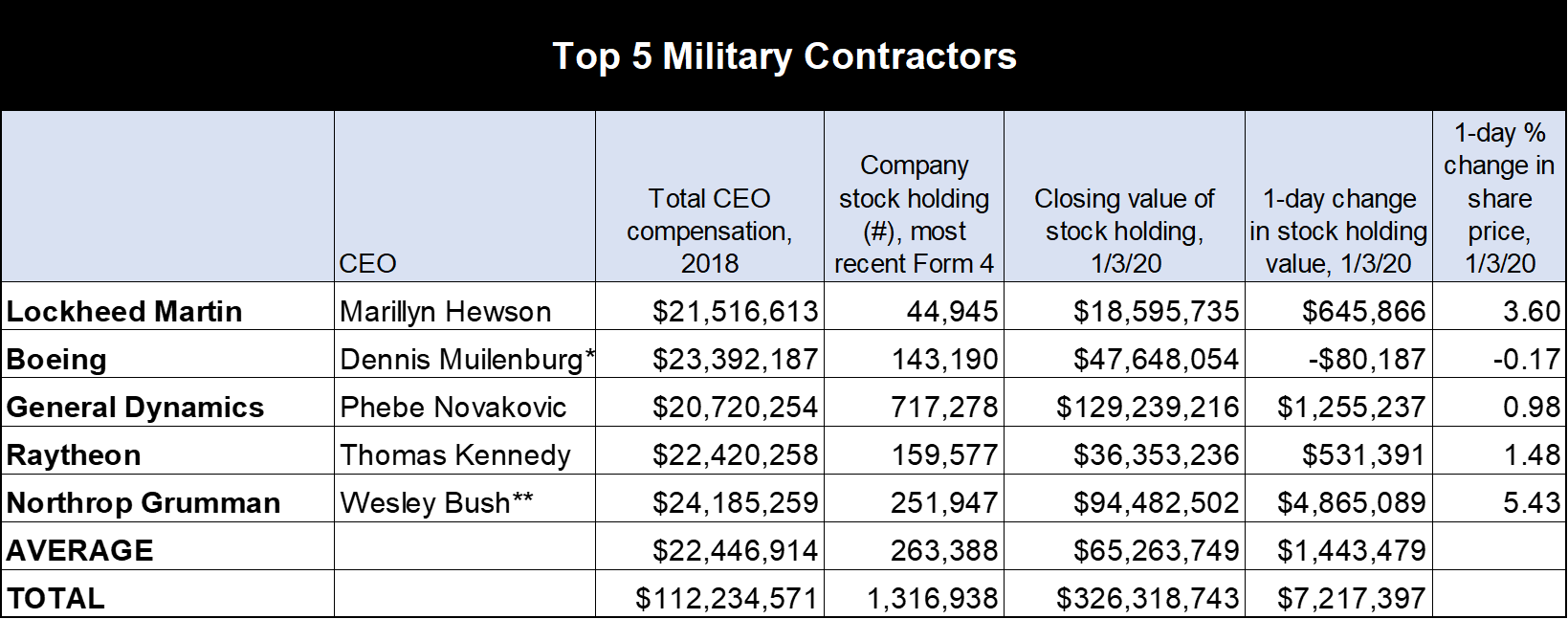
Supply Chain Challenges and Resilience Efforts
The relentless trend of industry consolidation reshapes the financial landscape, concentrating market power and capital within a handful of dominant players. This merger and acquisition activity drives economies of scale but https://www.commondreams.org/views/2009/11/05/2014-or-bust-afghanistan-pentagon-digs often reduces competition, impacting pricing and innovation for consumers and smaller businesses. For investors, it creates both significant opportunities in burgeoning conglomerates and heightened risks in fragmented sectors. Navigating this evolving terrain requires a sharp focus on **market dominance strategies** to identify sustainable value as the competitive field permanently contracts.
Stock Performance and Investor Sentiment
Industry consolidation is fundamentally reshaping the financial landscape, creating dominant players with significant market power and economies of scale. This wave of mergers and acquisitions intensifies competition for remaining entities, forcing them to specialize or seek innovative partnerships to survive. Strategic financial planning becomes paramount as capital flows toward consolidated giants, potentially limiting options for smaller firms and startups. This relentless trend ultimately redefines customer choice and market stability. Navigating this new terrain requires agility and a clear vision for sustainable growth amidst heightened financial scrutiny.
Regulatory and Compliance Environment
The regulatory and compliance environment is a critical framework for sustainable business operations, demanding rigorous adherence to evolving laws and standards. Navigating this complex landscape requires proactive compliance management to mitigate legal and financial risks. A robust strategy transforms obligation into advantage, building trust with stakeholders and securing market position. Mastery of this domain, particularly in areas like data privacy, is non-negotiable for long-term resilience and demonstrates a company’s commitment to ethical governance and operational excellence.
Updates to ITAR and Export Control Regulations
The regulatory and compliance environment is a dynamic landscape where rules are the guardrails of trust. Navigating this complex framework requires constant vigilance, as new mandates emerge from global and local authorities. Effective compliance management systems are essential, transforming legal obligations into operational integrity. It is a silent pact between an organization and the society it serves. Companies that proactively adapt not only avoid severe penalties but also build resilient, reputable foundations for sustainable growth.
Emphasis on Ethical AI and Responsible Use
The regulatory and compliance environment is a dynamic landscape where businesses must navigate an ever-shifting terrain of rules. It begins with a new law passing, triggering a cascade of internal assessments and policy updates to ensure full adherence. This constant adaptation is not merely about avoiding penalties, but building a foundation of trust. Successfully managing this complex framework is a cornerstone of robust corporate governance strategy, turning obligation into a competitive advantage that secures long-term operational integrity.
Cost Accounting Standards and Contract Audits
The regulatory and compliance environment is a dynamic landscape where businesses must navigate shifting rules. It begins with a new law, a quiet ripple that soon becomes a wave of mandatory audits, policy updates, and staff training. Companies that proactively monitor these changes, embedding **regulatory compliance management** into their culture, don’t just avoid penalties—they build resilient, trusted brands. This ongoing journey transforms obligation into a strategic advantage, turning compliance from a cost center into a cornerstone of corporate integrity.